Fifty-five lives, not one man's list
Fifty-five women
History remembers them as a number attached to Brigham Young. They were women with names, childhoods, griefs and opinions of their own. This site gives each of them her own page, prints her own words wherever they survive, and treats every silence in the record as something taken from her rather than a blank in a table.
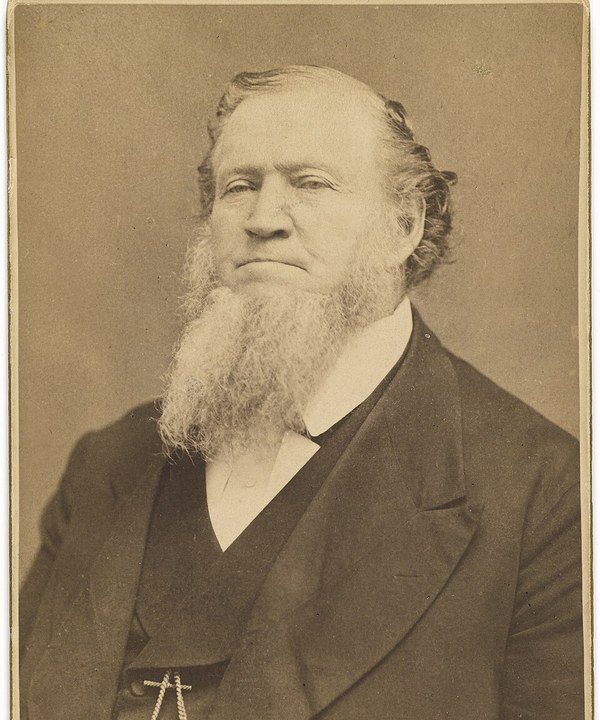
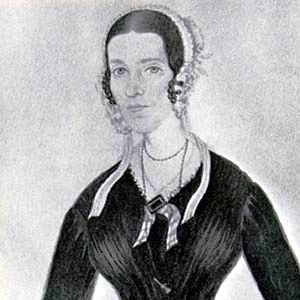
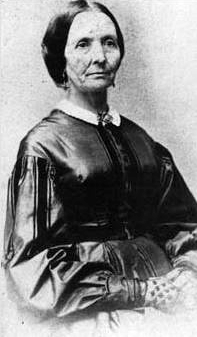
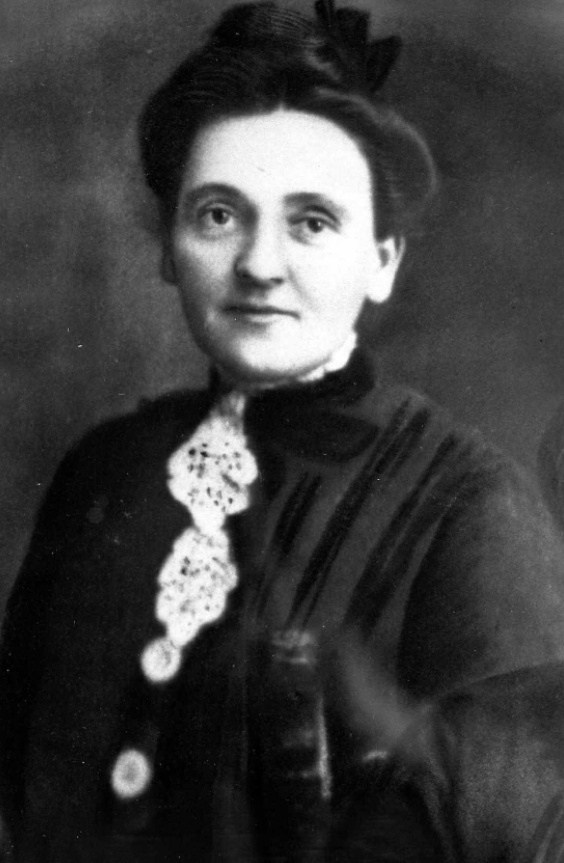
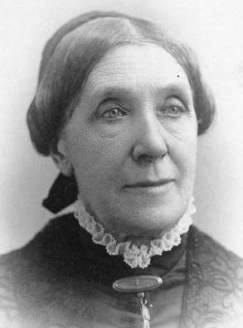
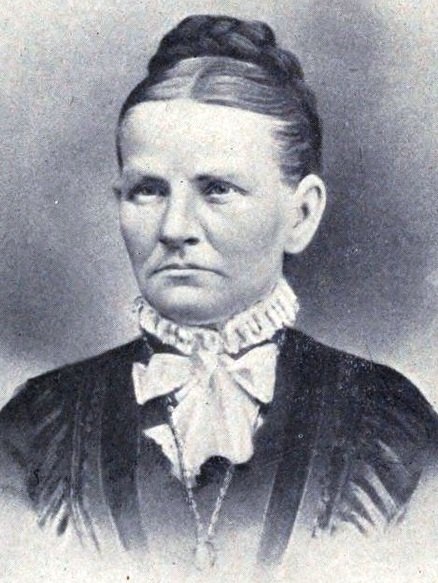
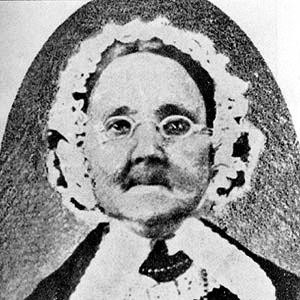
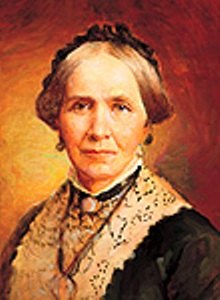
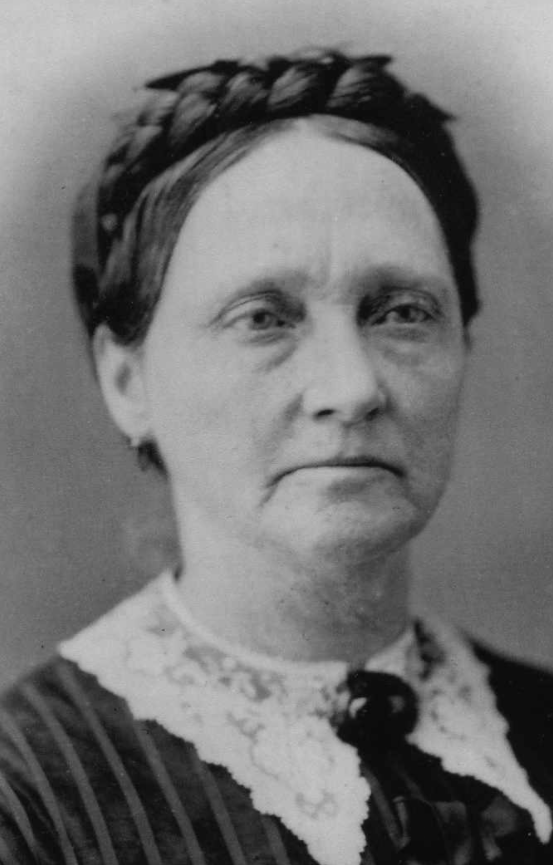
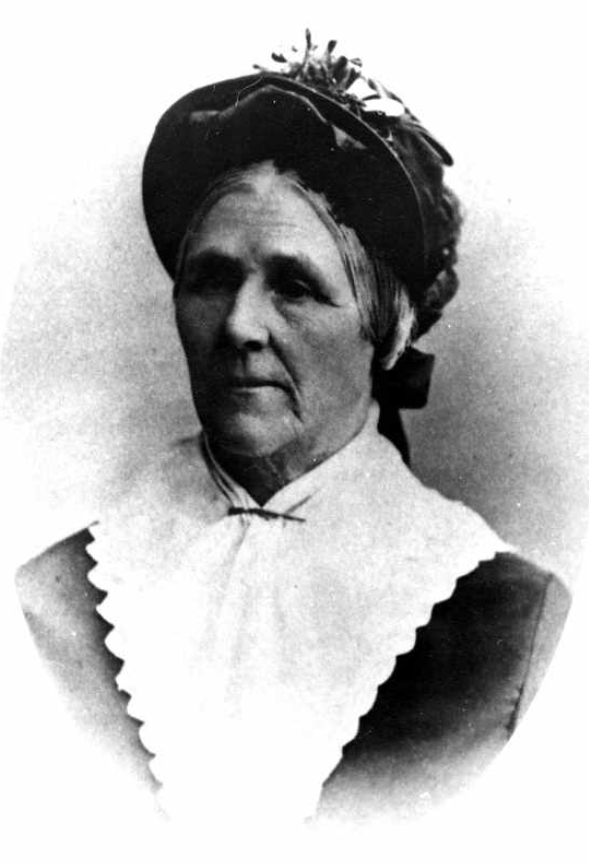
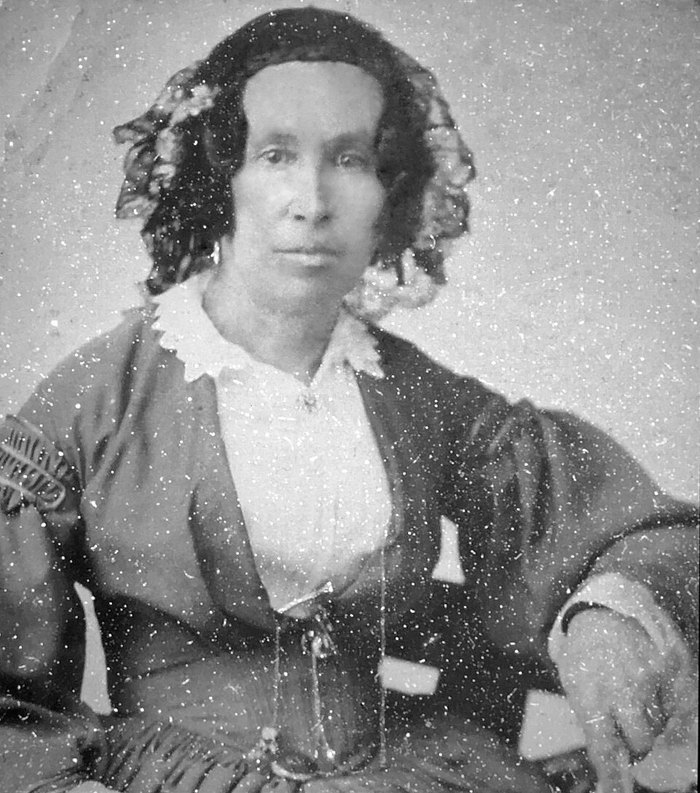
Behind him, every wife whose photograph survives — 29 of 55. See them all.
55 women were sealed or married to him. 29 have a photograph we could find. The rest are the blanks.
-
MWno photograph
can exist 1824 Miriam Angeline Works -
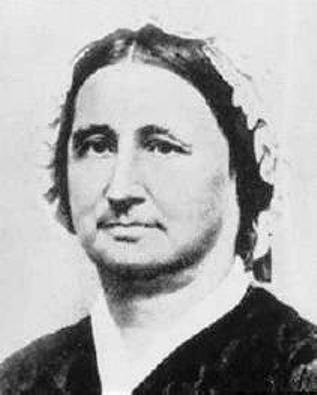 1834
Mary Ann Angell
-
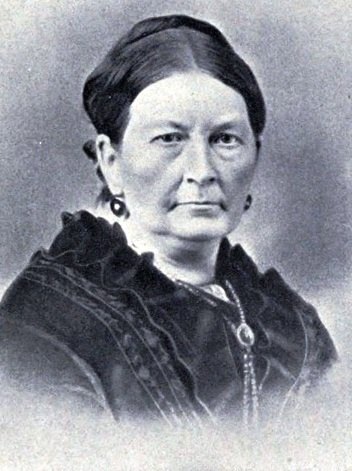 1842
Lucy Ann Decker
-
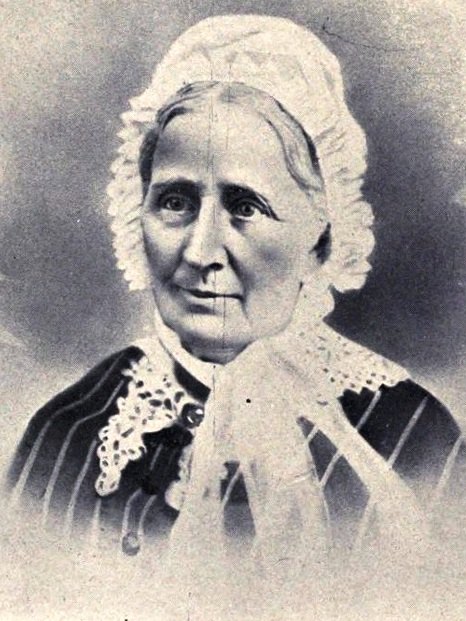 1843
Augusta Adams Cobb
-
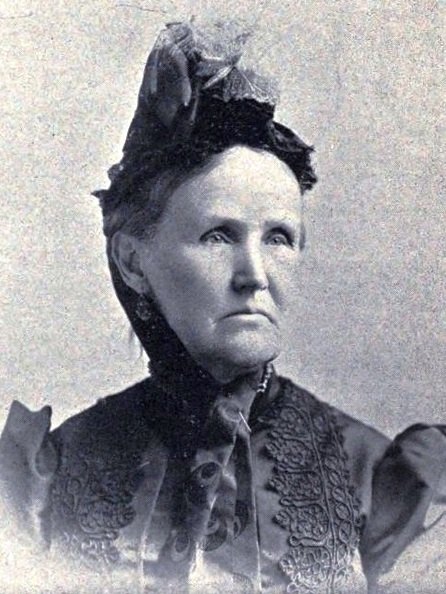 1843
Harriet Elizabeth Cook
-
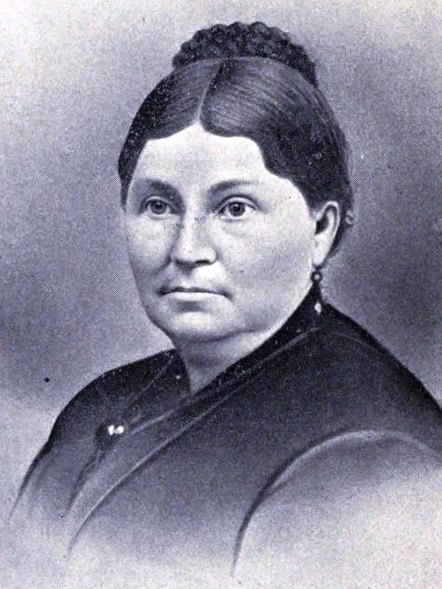 1844
Clarissa Caroline Decker
-
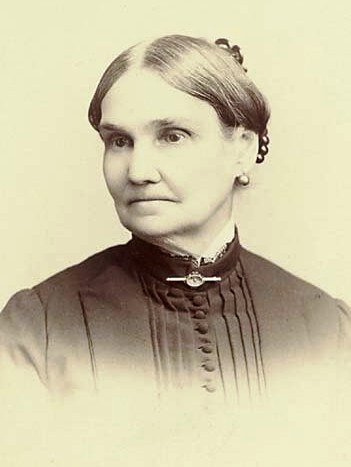 1844
Emily Dow Partridge
-
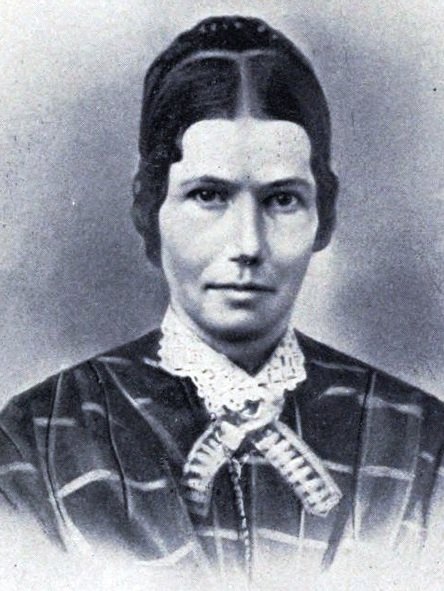 1844
Clarissa Ross
-
 1844
Louisa Beaman
-
 1844
Eliza Roxcy Snow
-
 1844
Elizabeth Fairchild
- CB 1844 Clarissa Blake
- RH 1844 Rebecca Holman
- DC 1844 Diana Severance Chase
-
 1844
Susannah (Susan) Snively
- OF 1844 Olive Grey Frost
- MC 1845 Mary Ann Clark
-
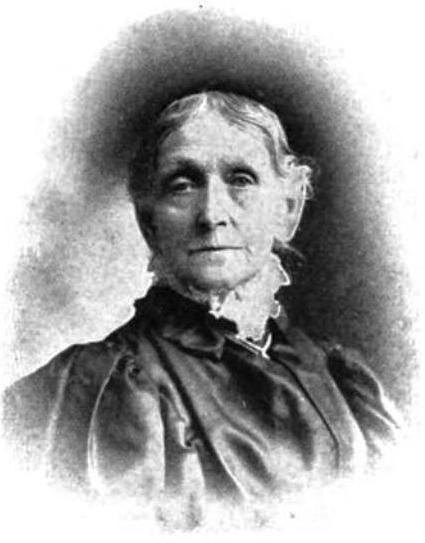 1845
Margaret Pierce
- MP 1845 Mary Harvey Pierce
-
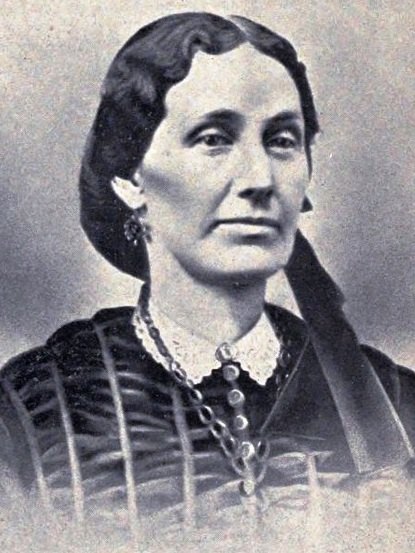 1845
Emmeline Free
-
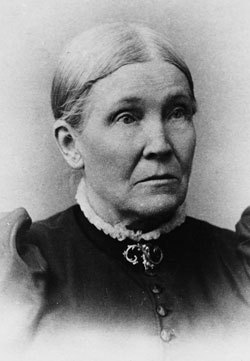 1845
Mary Elizabeth Rollins
-
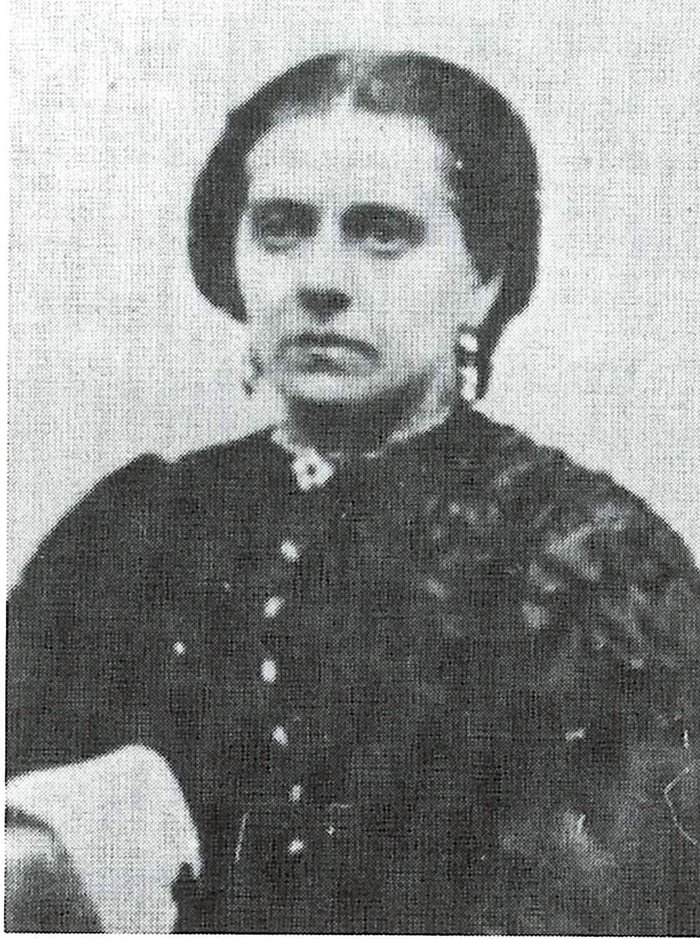 1846
Margaret Alley
- OA 1846 Olive Andrews
- EH 1846 Emily Haws
-
 1846
Martha Bowker
- ER 1846 Ellen Rockwood
- JA 1846 Jemima Angell
- A( 1846 Abigail Marks (Works)
- PM 1846 Phebe Morton
- CP 1846 Cynthia Porter
- MN 1846 Mary Eliza Nelson
-
 1846
Rhoda Richards
-
 1846
Zina Diantha Huntington
- AC 1846 Amy Cecilia Cooper
- MM 1846 Mary Ellen de la Montague
-
 1846
Julia Foster
- AH 1846 Abigail Harback
-
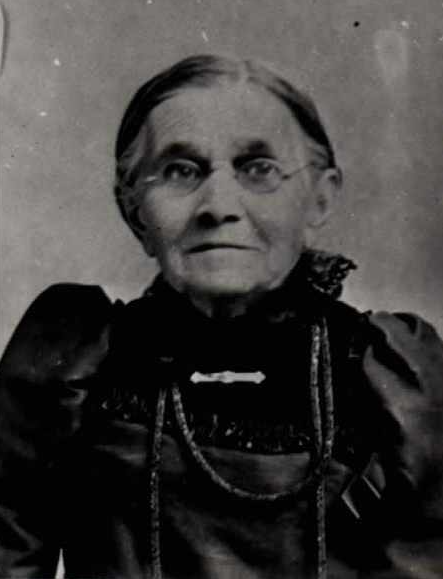 1846
Mary Ann Turley
-
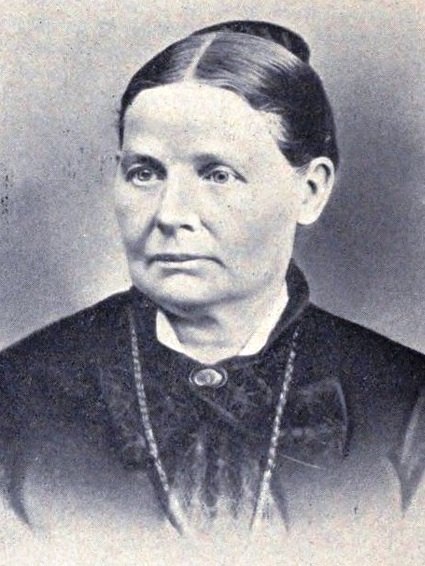 1846
Naamah Kendel Jenkins Carter
- NC 1846 Nancy Cressy
- JT 1847 Jane Terry
-
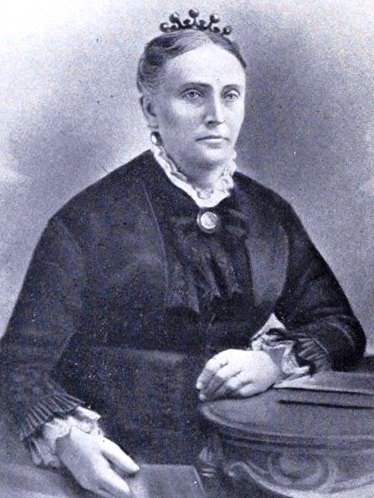 1847
Lucy Bigelow
- MB 1847 Mary Jane Bigelow
- SM 1848 Sarah Malin
-
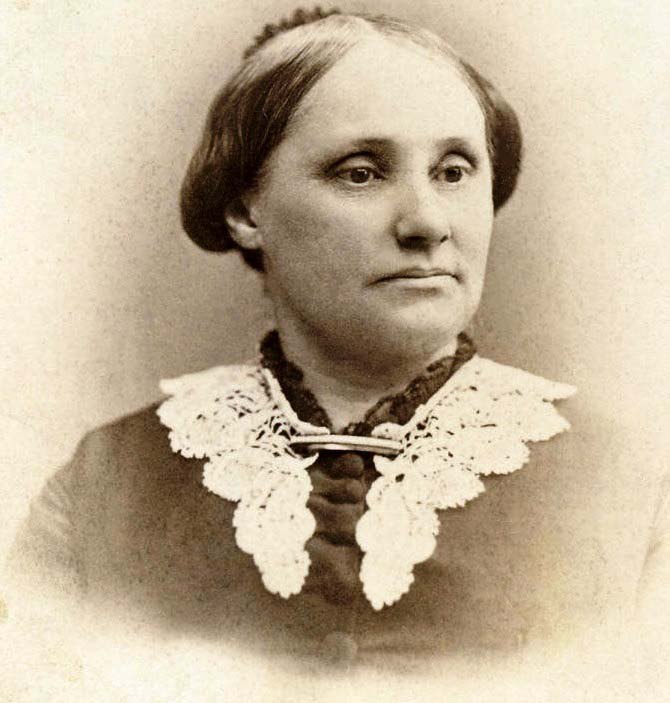 1852
Eliza Burgess
- MO 1852 Mary Oldfield
- EB 1853 Eliza Babcock
- CR 1855 Catherine Reese
-
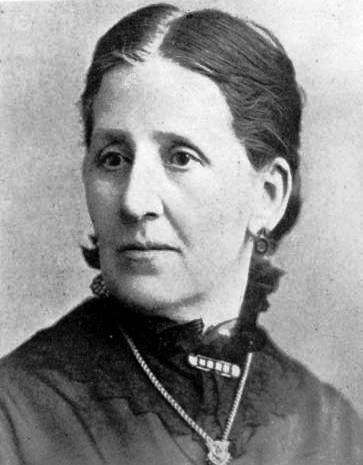 1856
Harriet Barney
-
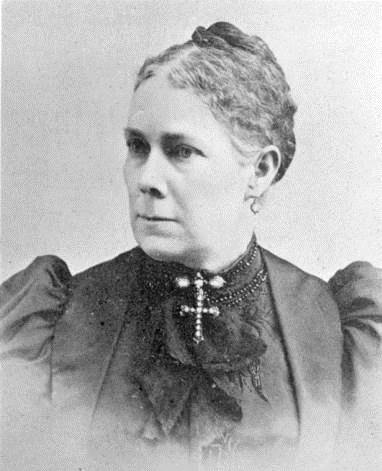 1863
Harriet Amelia Folsom
-
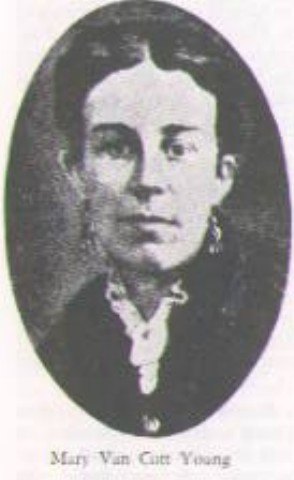 1865
Mary Van Cott
-
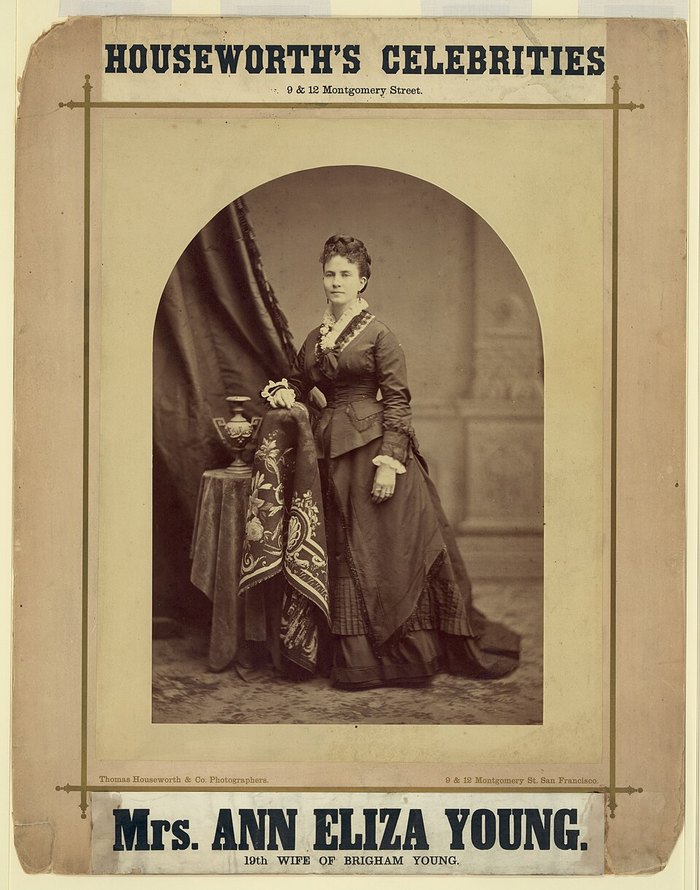 1868
Ann Eliza Webb
-
 1869
Elizabeth Jones
- LF 1870 Lydia Farnsworth
-
 1872
Hannah Tapfield King
Every face is a link to her page. The AB tiles are the 26 women for whom no licensed photograph could be found — if you hold one, please write to us.
Why this exists
To give these women back their own voices
Brigham Young has a biography, a university, a statue and a hundred and fifty years of argument. The fifty-five women sealed or married to him have a table in a 1987 journal article. This project exists to change the proportion — to treat each of them as a person with a life of her own rather than an entry in his.
In practice that means four commitments. Name every one of them, including the women usually left off the list. Give each her own page, with her family, her age, her children, what became of her after he died. Print her own words wherever they survive — and there is heartbreakingly little, which is the finding, not the excuse. And never fill a silence with a guess: where the record stops, this site says so, because inventing a woman is another way of not listening to her.
It is not a defence of Brigham Young and it is not a prosecution of him. He is the reason these fifty-five lives are connected to one another, so he is on every page — but he is the context here, and they are the subject.
The number that matters most
For forty of them, nothing in their own hand survives
15 of the fifty-five left words of their own that we can find — a diary, letters, an autobiography, a sworn affidavit. Some of those fifteen left a great deal: Eliza R. Snow has published collected poetry and personal writings and a biographer; Zina Huntington has a full biography of her own. The other 40 are reachable only through other people's papers.
Exactly one published a full-length account of her own life: Ann Eliza Webb, who wrote Wife No. 19 in 1875 to destroy him. The most-read first-person account of being married to Brigham Young is by the woman who left and made a career of attacking it. That is not a reason to discount her. It is a reason to notice that the other fifty-four had no comparable platform.
“I will go into heaven alone, rather than have scratching and fighting around me. I will set all at liberty. ‘What, first wife, too?’ Yes, I will liberate you all.”
Brigham Young, 21 September 1856 — the sermon in fullThe shape of it
Nine numbers
Counting is not the point of this site — they are not a dataset. But the numbers measure how much of these women's lives was allowed to survive, and that measurement is itself part of the story.
- 55women on the standard published list
- 19sealed in the Nauvoo temple in six weeks, Jan–Feb 1846
- 14were married to another living man at the time
- 8were widows of Joseph Smith
- 16bore him children — 57 in all
- 25are documented as living in his household
- 11marriages ended in divorce or documented separation
- 1is the number clearly documented as leaving the church
- 15left any words of their own
Every one of these counts is generated from the research table, not typed. The analysis page says what each number does and does not establish, and where scholars disagree about it.
Where to begin
Start here
All fifty-five wives
The full list, filterable by era, by whether she lived with him, by whether she had children, by whether she was already married.
Chronology
His life set beside his marriages, from the 1824 wedding in New York to the last sealing in 1872.
Marriage, sealing and adoption
What the words meant, how they changed, and why "sealed for eternity" and "married" are not the same claim.
What the numbers show
The marriages counted by phase, by sealing type, by polyandry, by household — and the honest blanks.
In his own words
Brigham Young on marriage, women, children and the theology behind them, with the citation for each.
Their own words
Every diary, letter, affidavit and biography known to survive for each of the fifty-five — and, for forty of them, the fact that none does.
Take the data
The whole table as a formatted Excel workbook, a CSV or JSON — the same rows behind every page here. Free to use and to correct.
The trivia game
How much do you actually know about Brigham Young? Every question carries its source.
An open invitation
The one book that does not exist
Joseph Smith's plural wives have had three things done for them that Brigham Young's have not. Todd Compton's In Sacred Loneliness (1997) gave each of them a full biography. Brian Hales built josephsmithspolygamy.org, a free public reference putting the whole documentary record on the open web with the sources attached — the direct model for this site, method if not posture. And Lindsay Hansen Park's Year of Polygamy has, since 2013, done the thing neither a book nor an archive can: told these women's lives aloud, episode by episode, to an audience of millions. Why all three matter here. Nobody has done either for Brigham Young's fifty-five. John G. Turner's Pioneer Prophet — the best modern biography — prints no list of the wives at all; its only published roster is a single endnote naming the fifteen women who were legally married to other men. Jeffery Ogden Johnson's 1987 table in Dialogue remains the only comprehensive published list, and it is a table, not a set of lives.
This is not a claim that nobody has written about these women. Laurel Thatcher Ulrich's A House Full of Females (Knopf, 2017) is built out of their own diaries; Jill Mulvay Derr and Maureen Ursenbach Beecher have spent careers on Eliza R. Snow; Martha Sonntag Bradley and Mary Brown Firmage Woodward gave Zina Huntington a full multi-generational biography in Four Zinas. That scholarship is on the resources page, and it is mostly by women. What is missing is one book that holds all fifty-five together. We want three things built: a Compton-equivalent book; a podcast in the shape of Year of Polygamy that tells their stories one at a time; and a full research website carrying every document and analysis, on the model of Brian Hales's josephsmithspolygamy.org. What you are reading is a first sketch of the third.